How to Protect a Steep Driveway From Storm Erosion
Have a steep driveway that keeps washing out in storms? Learn real-world repair options, a simple maintenance schedule, and proven tips to prevent erosion.
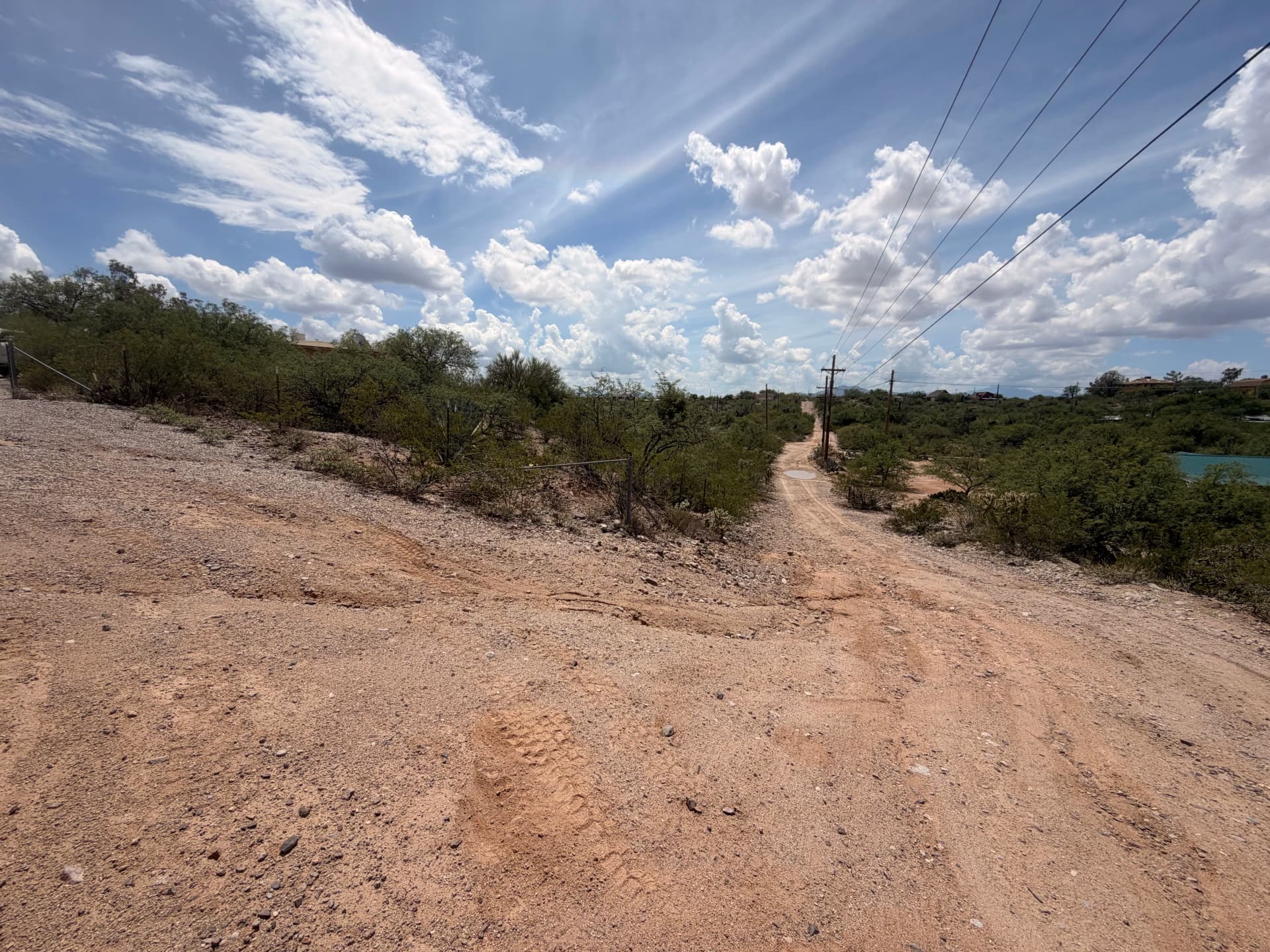
A Steep Driveway, Five Inches of Rain, and a Washed-Out Surface
We recently got a call from a homeowner — let’s call him Mark — who lives on a steep driveway that had just taken a beating from several big storms. He told us he’d measured almost five inches of rain in a week, and his drive was starting to ravel, wash out, and form channels where the water ran downhill.
Mark mentioned that every three to five years he’s had to bring someone out to repair erosion on that drive, but the contractor he’d used for the last decade had retired. After this last round of storms, he knew he couldn’t wait much longer to get ahead of the damage.
We hear stories like Mark’s a lot, especially after heavy rains. If you’ve got a steep driveway — gravel, decomposed granite, chip seal, or even older asphalt — storm erosion is something you will have to manage. The good news is, with the right repair choices and a simple maintenance schedule, you can protect that slope and make your driveway last much longer.
Why Steep Driveways Erode So Quickly
When we went out to look at Mark’s driveway, the main problem was obvious before we even got out of the truck: water was using the driveway as its own personal river channel.
On a steep slope, rain doesn’t have time to soak in. It picks up speed as it flows downhill, and that moving water starts carrying away the smallest particles in your driveway surface — fines, sand, and small gravel. Over time, you’ll see:
- Ruts and channels where water consistently runs
- Loose rock and washouts at the bottom of the hill
- Exposed base or subgrade where the surface layer used to be
- “Corrugation” or washboarding on gravel drives
Left alone, erosion on a steep drive doesn’t just stop — each storm makes the low spots deeper and the high spots higher, which focuses more water in fewer places. That’s how you go from some loose rock to a full-blown gully.
Best Repair Options for a Storm-Damaged Steep Driveway
When we meet a homeowner like Mark after a storm, we usually walk the drive together and talk through a few repair strategies. The “right” one depends on your slope, budget, and how much maintenance you’re willing to do.
1. Regrade and Compact the Existing Drive
If the erosion is moderate and your base is still sound, we can often:
- Scarify and regrade the surface to remove ruts and restore proper slope (a smooth “crown” or slight tilt to one side).
- Add fresh material (gravel, decomposed granite, or road base) to build back up low areas.
- Compact in thin lifts with a roller or plate compactor so the surface locks together.
This is usually the most budget-friendly option and is similar to what Mark had been doing every few years. It works well, but on steeper slopes you’ll still need regular touch-ups and a good drainage plan.
2. Install Water Control: Swales, Berms, and Water Bars
No matter what surface you choose, you won’t win the battle against erosion unless you control the water. For Mark, this was our biggest recommendation, and it’s where many steep driveways fall short.
Common options include:
- Shallow swales (ditches) along one or both sides to catch runoff and carry it safely downhill.
- Water bars or speed bumps (raised ridges across the driveway, usually at an angle) to slow water and push it off the drive in controlled spots.
- Check dams (small rock dams) inside ditches to slow flow and reduce scouring in long runs.
- Culverts under the driveway where water needs to cross from one side to the other.
Often, we’ll combine regrading the driveway with adding at least one or two of these features, especially on long, straight slopes.
3. Upgrade the Surface: From Loose Gravel to Stabilized Systems
On very steep or problem-prone driveways, it can make sense to invest in a stronger surface to resist erosion. Depending on your site, we might recommend:
- New compacted base with finer top layer that locks together better than old, rounded rock.
- Stabilized or bound gravel systems that use a binder or grid to keep rock from migrating downhill.
- Chip seal or asphalt on the steepest section, with gravel on the flatter portions.
This kind of upgrade costs more up front but can pay off fast if you’re currently rebuilding the same stretch every few years.
A Simple Maintenance Schedule for Steep Driveways
Mark told us he was used to calling someone every three to five years. On a steep drive, that’s actually not bad — but with a little more routine care, you can stretch those big repairs and keep the drive safer in between.
After Every Big Storm
- Walk the driveway once things dry a bit. Look for new ruts, low spots, and fresh channels.
- Clear debris from ditches, culvert inlets, and water bars so they keep working.
- Rake loose rock back up from the bottom of the hill to fill small depressions.
Every 6–12 Months
- Touch up grading with a tractor box blade or by hand on smaller areas.
- Add a thin layer of material to spots that are starting to thin, then compact if possible.
- Inspect for undercutting around the edges where water might be sneaking off the side and eroding the shoulder.
Every 3–5 Years
- Schedule a professional regrade and compaction of the whole drive.
- Evaluate drainage — you may need new swales, water bars, or a culvert as landscapes and rainfall patterns change.
Prevention Tips: How to Keep the Next Storm From Winning
When we finished walking Mark’s driveway, we left him with a short list of priority items. These same ideas apply to almost any steep drive:
- Don’t let water run straight down the drive. Use angled water bars or a gentle cross slope so water leaves the surface regularly instead of gathering speed.
- Keep ditches and culverts clean. A plugged culvert can cause blowouts and major washouts in one storm.
- Protect the outlets. Where water leaves your driveway, add rock or riprap so it doesn’t immediately start a new gully.
- Avoid spinning tires. On steep grades, spinning digs ruts that turn into water channels. In wet weather, take it slow and, if possible, avoid driving during the worst of the storm.
- Fix small problems early. A 1-inch-deep rut is a shovel job. A 6-inch-deep rut often means bringing in equipment and new material.
Not Sure Where to Start? We Can Walk It With You
If your steep driveway has started to look a lot like Mark’s — washed out after a week of heavy rain, with ruts that seem to grow every storm — it’s worth having a professional take a look. We can walk the slope with you, talk through repair options, and design a simple maintenance and drainage plan that fits your budget.
You don’t have to rebuild your driveway every time the forecast calls for rain. With the right grading, drainage, and upkeep, that steep drive can stay solid, safe, and usable for years at a time.